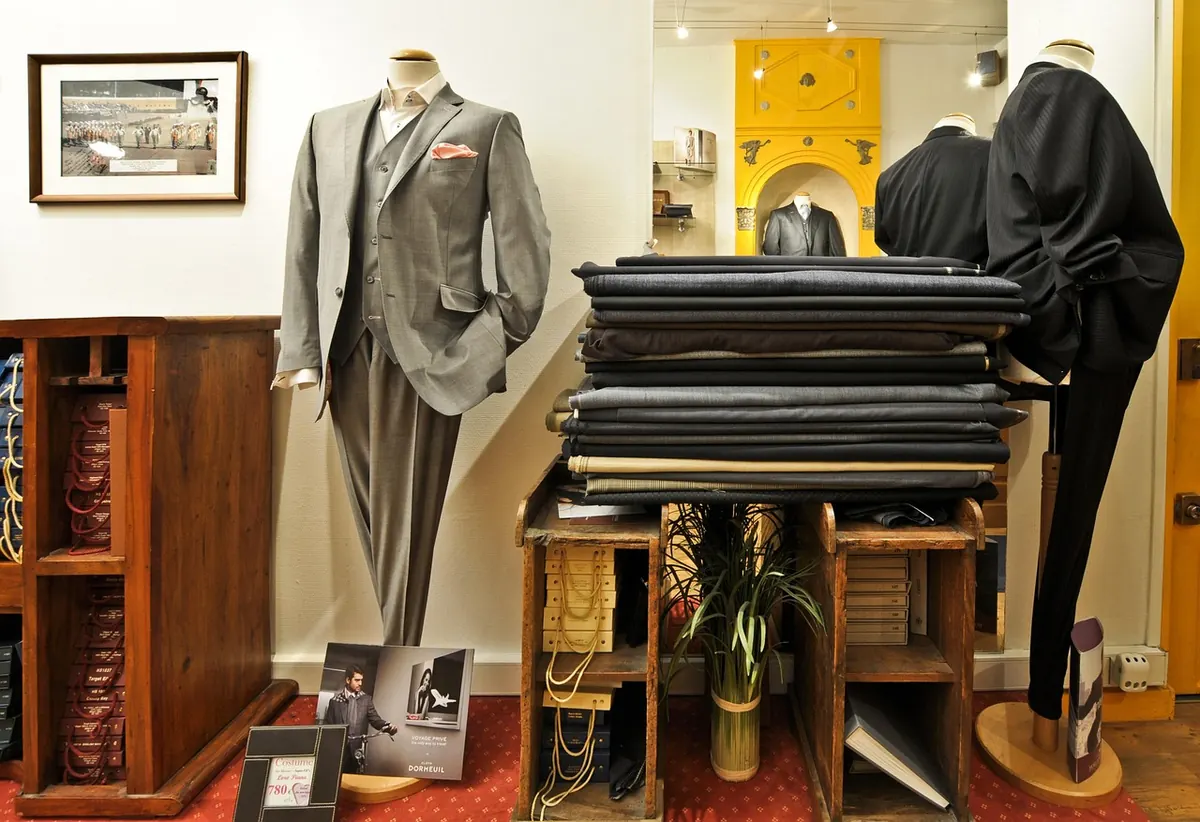
Buy a metre of cloth from a shop you can name, and the difference shows before you have cut anything. Britain's independent fabric shops are scattered, eccentric and often well hidden: above a bakery, at the back of a working mill, in a market hall with half the shutters down. Finding them takes a little effort. It pays back in better cloth, better advice and a far better Saturday.
Why small shops are worth the detour
A big chain buys in volume and stocks what sells everywhere. An independent buys in narrower ranges and usually knows exactly why. Ask about a linen and you will hear how it washed for someone else, whether it softens or stays crisp, whether it is worth paying more for a shirt. Ask about a print and they will tell you the repeat size, whether the colour runs to the selvedge, and what happens if you cut it on the cross.
You will also find the things the multiples cannot carry: deadstock from a closing workroom, end-of-roll tweed, mill surplus in odd widths, small-batch prints from a studio two streets away. Some of it is one bolt only. That is rather the point.
Many of these shops are hybrids — a workshop with a counter, or an online store with a room you can visit by appointment. Not all of them look like shops from the pavement.
Where to look
- Market halls and street markets. Goldhawk Road in west London, Walthamstow Market, the fabric quarter of a northern city centre. Go early, take cash as a backup, and do not expect a website.
- Mill shops and factory outlets. The Scottish Borders for tweed and knitwear, West Yorkshire for wool and worsted, Macclesfield for silk. Some open weekdays only.
- Shows and fairs. Textile and stitching shows, wool festivals, makers' markets. You can handle cloth from a dozen small suppliers in one afternoon.
- Guilds and groups. Weaving, quilting and embroidery guilds, plus local sewing meet-ups. Members know which shops are still trading this year.
- Adjacent trades. Upholsterers, curtain makers, tailors and bridal alterations often sell, or can point you towards, remnant stock.
- A well-aimed search. Try "fabric shop" plus your town, then a hashtag such as #sewcialist or #fabricshopuk with a city name. Check the date of the last post — a shop's grid tells you more than its About page.
Reading a shop before you travel
Most independents live or die by their online listings, and a good listing answers questions you have not thought of yet. Look for:
- Composition and weight. A fibre percentage plus a weight in grams per square metre tells you far more than "medium weight".
- Width in real units. Centimetres or inches, stated plainly rather than left to guesswork.
- Honest photographs. Daylight, with something for scale — a hand, a ruler, a coin.
- Repeat size on prints, and whether the design runs across or up the cloth.
- Care and shrinkage. Whether it needs pre-washing, and roughly by how much.
- Cutting and returns. Minimum cut, half-metre increments, and what happens if you order too little.
Screens lie about colour, so ask for a swatch if the choice matters. Many shops will post one, sometimes for a small fee. And ring them. Small shops answer the phone, and two minutes of conversation beats twenty minutes of scrolling.
A five-minute routine in the shop
- Take it to the door and look at it in daylight. Shop lighting flatters everything, especially navy and black.
- Crush a corner in your fist, release, and watch what the creases do. Sharp creases that stay put tell you a great deal about how the cloth will behave.
- Rub the surface with your thumb and check the pile direction, running your hand along the grain and then against it.
- Read the selvedge. Fibre, country of origin, and sometimes a mill name or dye lot.
- Unroll a metre and check along the fold for fading, water marks, holes and printing faults. Ask about a discount on a flawed length rather than finding it at your own cutting table.
- Ask whether it has been pre-washed or finished to shrink. Some cloth is, some is not.
Questions that get you better cloth
The staff are usually makers themselves, so ask the things a label cannot answer. Does it fray badly? How does it press? Is this a one-off bolt, or will you get more in a month? What have other people made with it? Is there a remnant bin or an offcuts box out the back?
Then settle quantity before you commit. If you are making a garment from a print, buy the whole length at once — a second order may come from a different dye lot and will not match.
The practical bits
Keep a swatch card. Each time you buy, cut a 10cm square, staple it to a card and write the shop, fibre, price band and date on the back. A year of cards turns you into a much sharper judge of what a listing is really offering.
Store cloth clean, dry and out of direct sun, rolled rather than folded where you can manage it. Moths like wool, so check anything you are keeping long term.
On returns: cut lengths are treated differently from ready-made goods, and policies vary from shop to shop. Read the policy or ask before ordering, and if a dispute ever becomes serious, take proper advice rather than relying on what a forum says.
Start with one shop
Pick somewhere within reach, go in with a small project in mind and a budget you are happy to spend. Buy a metre of something you like, ask one question about it, and sign up to the newsletter — that is how you hear about new stock, workshops and sales before they go. Add the shop to a running list on your phone as you find others.
Then go back. Independent shops reward habit: the second visit is where the advice gets better, the remnant bin opens up, and someone remembers what you made with the last thing you bought.
Photo: christels / Pixabay