Most curtain decisions start with colour. That is the enjoyable part, and it is also the part you can change later with a paintbrush. The fibre is the decision that stays. A wool curtain and a linen curtain cut to identical measurements will fall differently, filter light differently, hold heat differently and ask completely different things of you on cleaning day.
These three natural fibres cover most of what you will find in a fabric showroom. Here is how each one behaves, and where it earns its place.
Drape: how the fabric falls
Drape is the first thing you notice and the hardest thing to judge from a swatch the size of a postcard.
Linen falls in long, slightly irregular folds with a crisp edge. It creases, and it is meant to. Heavier linens — the sort sold as curtain weight, roughly 250gsm and up — hang in straight columns that suit tall sash windows and high ceilings. Lighter linen can look thin and apologetic across a wide window unless you line and interline it.
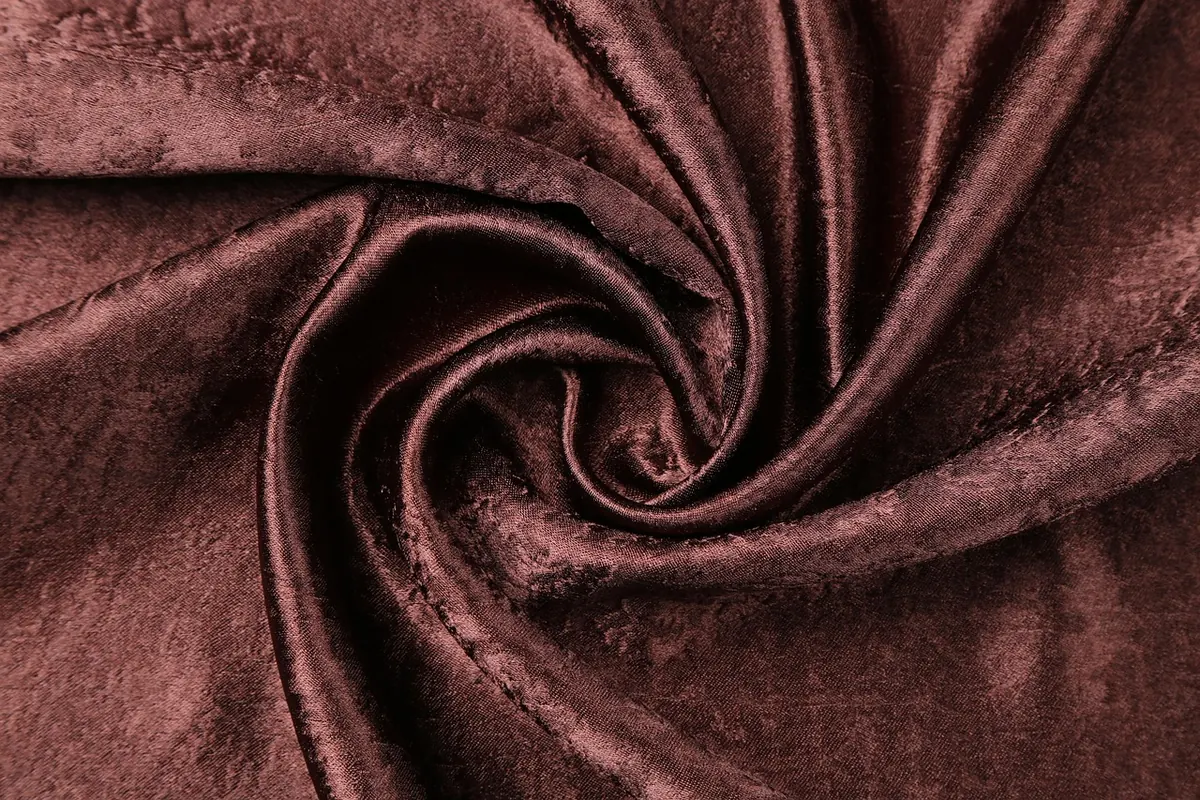
Cotton is a chameleon. Cotton velvet drapes in soft, close folds and is lovely in a bay window. Cotton sateen has a subtle sheen and a smoother fall. Plain cotton duck or canvas is stiffer, so pleats stand proud rather than relax, which reads as sharp in a tailored room and stiff in a soft one.
Wool has the best natural drape of the three for structured curtains. Its crimp gives it weight and spring at once, so deep pleats hold their shape and the fabric resists creasing. Wool challis is light and fluid; wool melton is dense and architectural. A wool or wool-rich blend is often the right answer when a curtain has to look tailored.
If you can, take a metre of the fabric home, hang it over the rail and leave it there for a day. Standing in front of it in morning and evening light tells you more than any label.
Warmth and insulation
Wool insulates best of the three. Its crimped fibre traps air, which is why it has kept people warm for centuries with very little help. That makes it a strong choice for single-glazed sash windows, north-facing rooms and any house that feels draughty in February.
Cotton sits in the middle. Linen, being the smoothest and thinnest of the three, adds the least on its own — though a lined linen curtain still blocks draughts and softens the cold coming off glass.
Here is the part worth remembering: with curtains, the lining and the fit usually do more work than the fibre. A generous, floor-length curtain that closes properly past the window reveal, lined and interlined, will outperform a heavier unlined fabric every time. A well-fitted blind sitting inside the recess, with a curtain drawn over it, traps a layer of air that no single fabric can match.
Light and fading
No natural fabric is fade-proof, and no honest supplier will tell you otherwise. Sunlight, and the ultraviolet in it, gradually breaks down dyes. How quickly that happens depends on the fibre, the dye, the weave and how much direct sun the window receives.
In practice:
- Saturated colours — deep reds, strong blues, dark greens — show fading sooner than pale greys and neutrals, because the change is more visible.
- Fading is rarely even. The leading edge of a curtain and the outside of each fold catch the most light, so a curtain can end up with a stripe pattern of its own.
- A blackout or light-blocking lining protects the face fabric, and a sheer layer at the glass takes the harshest light first.
Linen and cotton both respond well to protective linings. Wool takes light well but its colour can dull over years. On a very sunny south-facing window, choose the palest tone you can happily live with.
Care: what each fibre asks of you
- Linen: often machine washable at a cool temperature, depending on the finish, but expect some shrinkage unless it is pre-shrunk. It creases hard, so iron damp or steam it. Some printed and coated linens are dry clean only.
- Cotton: usually the easiest of the three, though heavy velvets should be dry cleaned to protect the pile. Cotton can shrink, and long exposure to strong sun weakens it over time.
- Wool: dry clean. Water and heat can shrink and felt it. Between cleans, air it, brush it and steam out creases. Store it clean, and watch for moths.
Whatever the care label says, the whole curtain follows its most delicate component. Linings, interlinings and trims have their own limits, and curtains are heavy and awkward to launder well at home. Factor the likely cleaning cost into the decision rather than discovering it later.
Blinds need different qualities
Roller blinds need a fabric that holds a flat plane and does not stretch as the tube turns. Cotton is the natural fibre most often used, either on its own or bonded to a backing that gives it stability. Linen can be backed to work, but it is less predictable. Wool is unusual here: heavy, and inclined to move.
Roman blinds suit all three. Wool and medium-weight linen hold a fold beautifully and make crisp horizontal lines when raised. Cotton is the easiest to sew and pleat. For kitchens and bathrooms, be realistic: steam and splashes are unkind to linen and cotton, and a cotton-blend or a washable look-alike will save you trouble without looking cheap.
Choosing for your window
- Cold, draughty or north-facing: wool or wool-rich, lined and interlined, floor length.
- Bright and south-facing: linen or cotton with a blackout lining, in a paler tone.
- Bay or period window: medium-weight linen or cotton velvet, which follow the angles instead of fighting them.
- Kitchen or bathroom: cotton or a blend, simple lining, a blind rather than a full curtain.
- Anywhere you want a tailored finish: wool, and let the pleats do the work.
Order samples, pin them where they will hang, and live with them for a few days. Look at the colours at breakfast and again at dusk. Then choose the one that still pleases you when the light changes, because that is the fabric you will be looking at every day.
Photo: дмитрий1511 / Pixabay